
Short-Form Video Platforms Overview
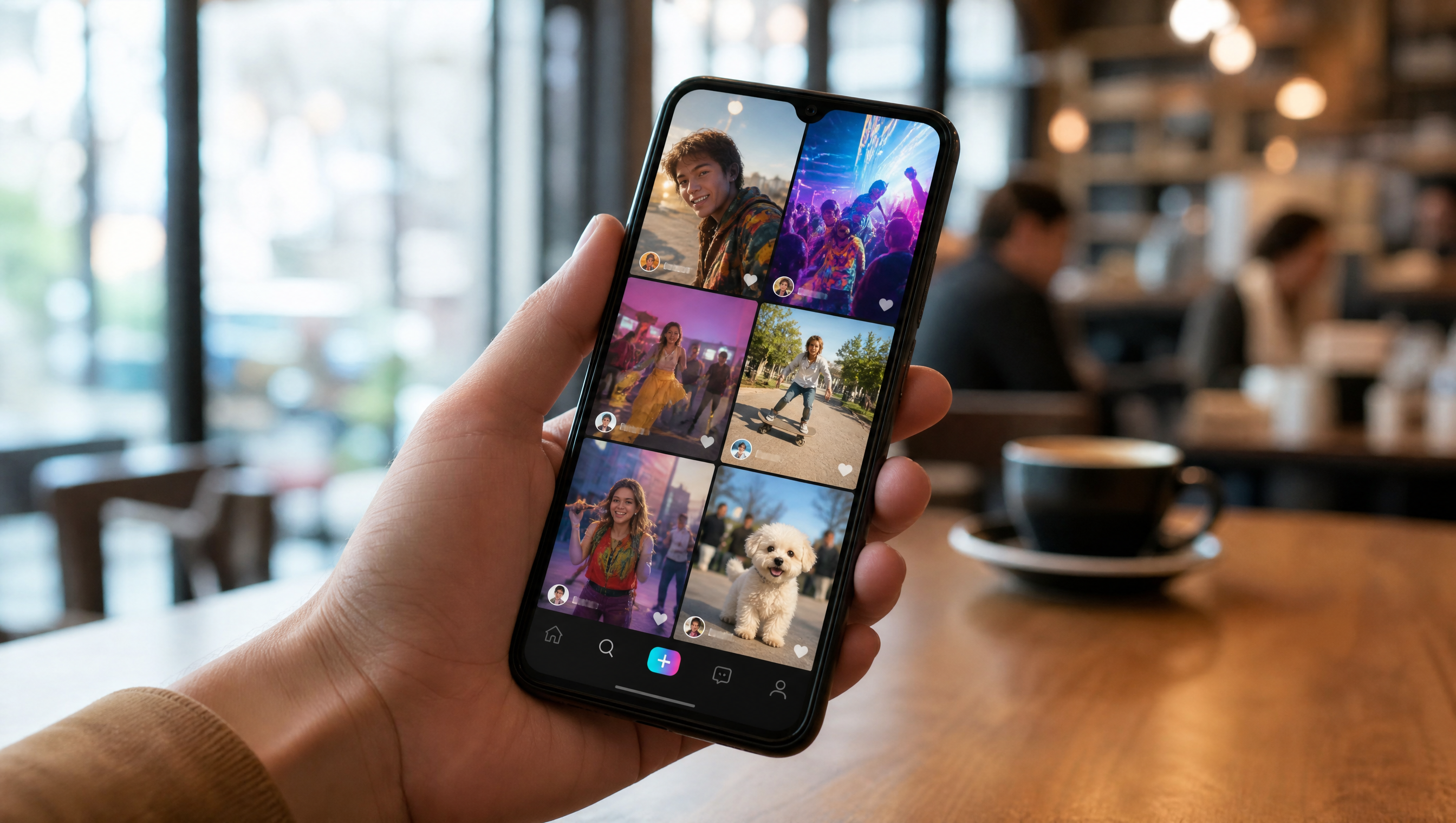
Short-Form Video Platforms Overview
What Is Short-Form Video and Why It Matters
Short-form video typically runs between 6 and 60 seconds, framed in a vertical 9:16 ratio built for the way people actually hold their phones. That's the simplest definition, but the real significance runs deeper.
Consumer behavior has shifted decisively toward micro-moments — those brief windows between tasks, commutes, and conversations where attention is available but patience is thin. Short form mobile video fills those gaps in a way that longer content simply cannot. People scroll, pause, watch, replay, and move on — all within seconds. Brands and creators who understand this rhythm earn disproportionate attention compared to those who don't.
The format carries two structural advantages that make it genuinely useful for growth. First, completion rates are far higher than for longer content, which tells algorithms that the content delivered on its promise. Second, the production cycle is fast. A short format video can go from idea to published in hours, not weeks, which means teams can run real experiments, learn from actual viewer behavior, and refine messaging at a pace that long-form production schedules never allow.
None of this means short-form replaces longer video. Think of it as a discovery layer — a clip that earns attention, creates curiosity, and funnels interested viewers toward deeper content, product pages, or full tutorials. The formats work together, not in competition.
The Major Short-Form Platforms at a Glance
The core short-form content platforms most marketers should know are TikTok, YouTube Shorts, Instagram Reels, Snapchat Spotlight, and Facebook Reels. Pinterest Idea Pins and LinkedIn native video are carving out space in specific verticals — Pinterest for product discovery, LinkedIn for professional thought leadership — but the three platforms below hold the largest share of active attention.
TikTok
TikTok is the definitive trending short video platform for discovery-first reach. Its recommendation engine surfaces content to users who have never followed a creator, which means a brand with zero followers can reach millions if the content connects. Meme culture, audio trends, and creator-led storytelling are native to TikTok's environment. For businesses targeting Gen Z and younger millennials, it remains the highest-velocity distribution channel available.
YouTube Shorts
YouTube Shorts inherits the platform's greatest asset: search. Unlike TikTok's algorithmic discovery, Shorts can surface through keyword searches and channel subscriptions, which makes it valuable for content with longer shelf lives. An evergreen tip or explainer clip published as a Short can continue driving views months after posting. Shorts also funnel viewers directly to a channel's long-form library, making it a strong tool for audience consolidation.
Instagram Reels
Reels sits inside an ecosystem built on social graphs and commerce. Users arrive with existing connections, which means content spreads through relationships as much as through recommendation. The integration with Instagram Shopping, product tags, and direct checkout makes Reels a natural fit for brands running full-funnel campaigns — from awareness to purchase — within a single platform.
Platform Strengths, Audience Fit, and Use Cases
Choosing the right shorts video platform comes down to where your audience spends time and what kind of content you're equipped to produce consistently.
Entertainment and Trends
TikTok excels when the goal is cultural participation. Trend-driven entertainment, creator collaborations, and viral loops are its native mode. Brands that can respond to trends quickly — or better yet, start them — see compounding returns. Snapchat Spotlight occupies a similar space for younger audiences who favor casual, creative content over polished brand aesthetics.
Education and Search
YouTube Shorts is the strongest option for educational content. Concise explainer clips, quick tutorials, and actionable tips perform well because the platform rewards content that people actively search for and return to. If your business model depends on demonstrating expertise — consulting, SaaS, professional services — Shorts builds credibility efficiently.
Lifestyle and Commerce
Reels performs consistently in lifestyle categories: fashion, beauty, fitness, food, and home. Influencer-led shoppable content thrives here because the audience already uses Instagram to browse products and follow aspirational accounts. Facebook Reels extends that reach to older demographics and local communities, making it useful for repurposing content that's already performing on Instagram.
Discovery, Algorithms, and Trend Mechanics

Every short-form content platform runs on a recommendation engine, and those engines share common logic even when the specific signals differ.
Recommendation Engines
Feed ranking blends viewer watch time, replays, likes, comments, shares, and — critically — negative feedback like skips and "not interested" responses. The algorithm is evaluating whether a video earned the attention it received, not just whether it received attention. A high view count paired with poor completion rates actually signals weak content.
Signals and Metadata
Metadata matters more than many creators realize. Captions, relevant hashtags, and audio choices all add context that helps platforms categorize content and place it in front of topically aligned audiences. On a trending short video platform like TikTok, using a trending sound carries algorithmic weight beyond just the audio itself — it signals participation in a current conversation.
Trend Adoption
Participating in audio trends, challenges, and remix formats taps into existing demand rather than trying to manufacture it from scratch. The leverage point is early adoption — joining a trend before it peaks gives content a velocity boost from the trend's existing momentum. Consistent posting cadence reinforces this by training algorithms to treat your account as a reliable signal, which improves placement in session-based recommendations over time.
Creating Effective Short-Form Content
Production quality matters less than structural quality in short form vertical video. A clip shot on a smartphone with good framing and clear audio will outperform a polished production with a slow start, every time.
Hook Fast
The first one to two seconds determine whether a viewer stays or scrolls. Motion, bold on-screen text, or a direct promise — "Here's why your ads aren't converting" — all reduce early drop-off. Design specifically for short form mobile video: clear framing, large readable text, high contrast visuals, and audio that doesn't require headphones to follow.
Edit Tight
Jump cuts, pattern interrupts, and beat-matched edits sustain attention without requiring a script that's inherently dramatic. The goal is to eliminate any moment where a viewer might disengage. Each clip should serve a single idea — one insight, one tip, one story beat — with a clear payoff or cliffhanger at the end that rewards viewers for finishing.
Prompt Action
CTAs in short-form content should be specific and low-friction. "Follow for part two," "comment your biggest challenge," or "tap to see the full collection" all ask for one defined action. Saves and shares carry significant weight in most platform algorithms, so creating genuinely useful, save-worthy content — a checklist, a counterintuitive insight, a surprising stat — is a measurable growth tactic.
Measurement, Monetization, and Compliance
Metrics That Matter
Hook rate (the percentage of viewers who watch past three seconds), average watch time, completion rate, engagement rate, and saves/shares form the core measurement framework for short form content platforms. Watch these together rather than in isolation. A high completion rate on a short video tells a different story than a high completion rate on a longer one.
Revenue Options
Monetization paths include platform creator funds and bonus programs, ad revenue sharing where platforms offer it, affiliate links, and direct brand partnerships. In-app shopping features — product tags, linked collections, and direct checkout — convert short form video audiences into buyers without requiring a platform exit.
Policy and Access
Compliance is non-negotiable. Music licensing is the most common point of failure — commercial accounts need licensed tracks, not just trending audio. Disclosures (#ad, #sponsored) are legally required for paid partnerships in most markets. Captions and safe-zone text placement improve accessibility and keep text readable regardless of platform UI overlays. For user-generated content, secure explicit rights before repurposing. Regional rules — particularly around data and advertising — can affect how content is distributed on specific short-form content platforms in different markets.
Staying current with platform-specific ad policies isn't optional; enforcement moves fast, and violations can limit distribution at the moment you need it most.